

How to Compress Images for a Faster Website
Large images are the most common reason pages load slowly. Here is how to shrink them without losing quality.
By Administrator · · Updated Nov 25, 2026
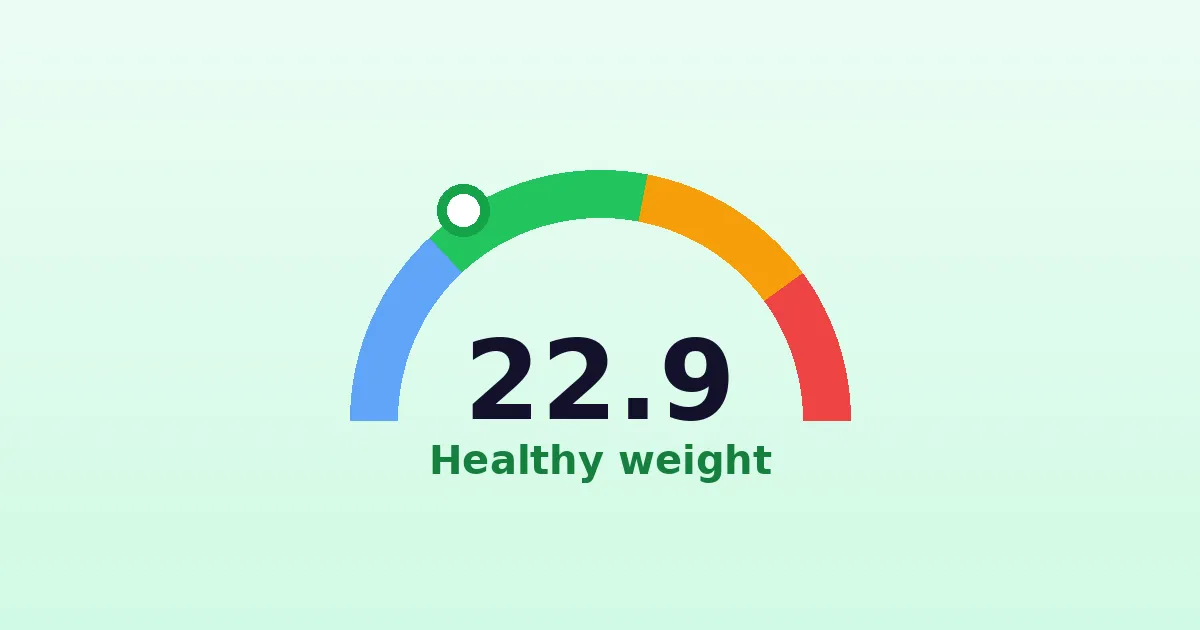
Body Mass Index (BMI) is one of the most common ways to screen whether an adult’s weight is in a healthy range for their height. It is quick to work out, but it is also easy to misread. This guide explains the formula, the categories and when BMI can be misleading.
BMI is your weight in kilograms divided by your height in metres squared:
BMI = weight (kg) ÷ height (m)²
For example, a person who weighs 70 kg and is 1.75 m tall has a BMI of 70 ÷ (1.75 × 1.75) = 22.9. In pounds and inches the formula is 703 × weight (lb) ÷ height (in)².
Some health bodies use lower cut-off points for people of South Asian, Chinese and other Asian backgrounds, because health risks can start at a lower BMI.
BMI does not measure body fat directly. Muscular people can have a high BMI while being healthy, and older adults can have a normal BMI with little muscle. BMI for children and teenagers uses age- and sex-specific percentile charts, not the adult categories.
Someone who weighs 165 lb and is 5 ft 9 in tall (69 inches) has a BMI of 703 × 165 ÷ (69 × 69) = 24.4. That is just inside the healthy range. If the same person weighed 180 lb, their BMI would be 26.6, which is in the overweight range. A change of about 15 lb moves the result across a category line, which is why BMI is best used to spot trends over time rather than to judge a single reading.
If your BMI is outside the healthy range, or you are worried about your weight, a doctor can look at your full health picture, including blood pressure, blood tests and family history.
Use our free BMI Calculator to work out your BMI in metric or imperial units. For a fuller picture, you can also check your waist-to-hip ratio or estimate your body fat percentage.
This article is for general information only and is not medical advice. Talk to a doctor or qualified health professional about your own health.
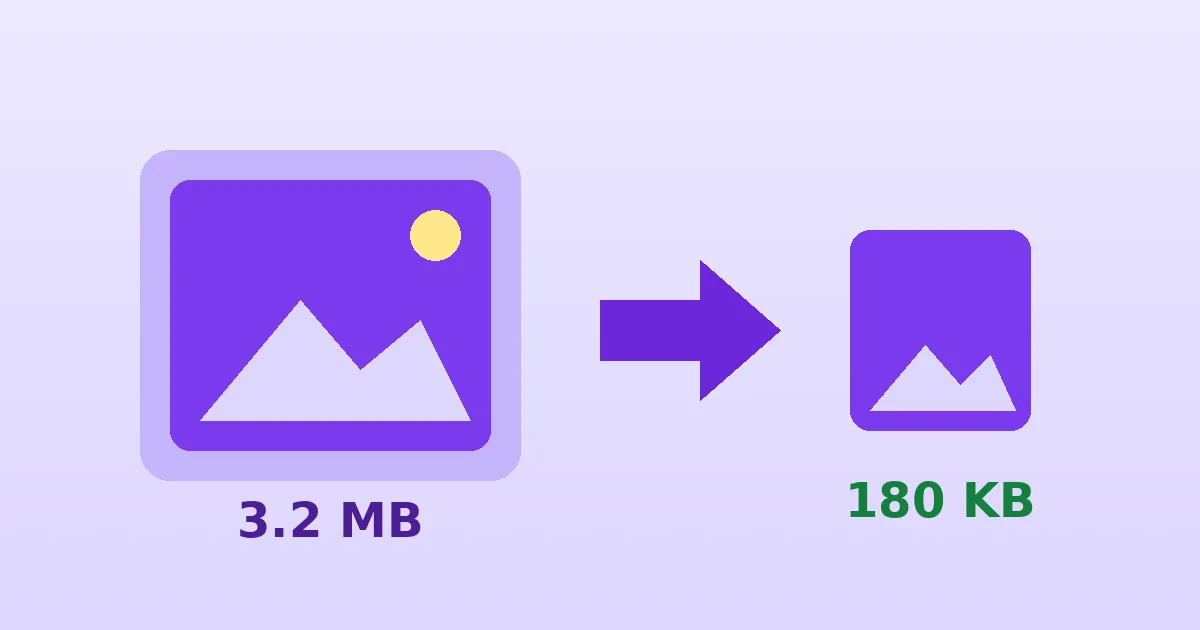
Large images are the most common reason pages load slowly. Here is how to shrink them without losing quality.